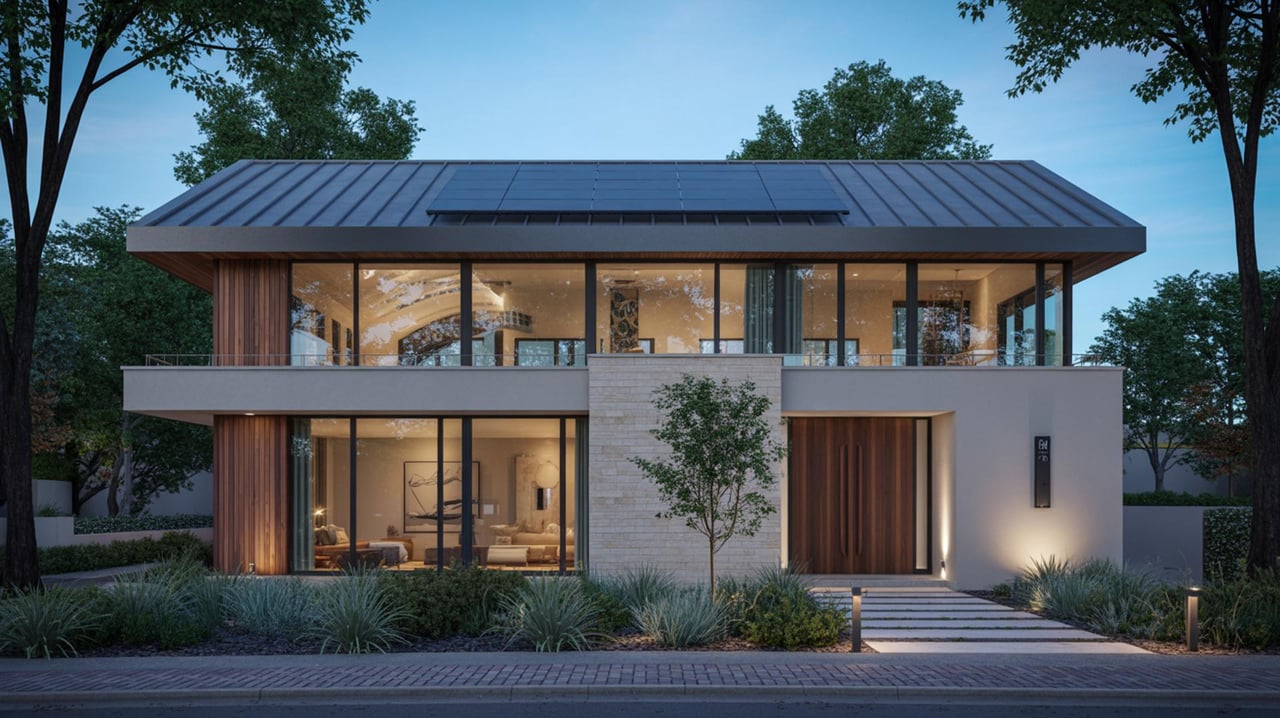
Incorporating energy-efficient upgrades into your home can be a smart way to reduce utility bills while also contributing to environmental sustainability. These upgrades don't have to break the bank. With careful planning and strategic choices, homeowners can make significant improvements without a hefty price tag. The following sections explore various energy-efficient upgrades that can be implemented on a budget, offering practical advice and insights to help you make informed decisions.
Insulation Improvements
Improving insulation is one of the most effective ways to enhance energy efficiency. Proper insulation helps maintain a consistent indoor temperature, reducing the need for heating and cooling. Start by checking your attic, walls, and floors for adequate insulation. If necessary, consider adding more insulation to these areas. Affordable options like fiberglass batts or blown-in cellulose can be installed with minimal expense. Sealing gaps around windows and doors with weatherstripping or caulking can also prevent drafts and improve overall insulation.
Energy-Efficient Lighting
Switching to energy-efficient lighting is a simple and cost-effective upgrade. Replacing traditional incandescent bulbs with LED or CFL bulbs can significantly reduce energy consumption. These bulbs use less electricity and have a longer lifespan, offering savings on both energy bills and replacement costs. Additionally, consider installing dimmer switches and motion sensors to further optimize lighting efficiency. These devices allow you to adjust lighting levels based on need and ensure lights are only on when necessary.
Smart Thermostats
Installing a smart thermostat is an affordable way to enhance energy efficiency. Smart thermostats allow you to program temperature settings based on your schedule, ensuring your heating and cooling systems operate only when needed. Many models can be controlled remotely via smartphone apps, providing flexibility and convenience. By optimizing temperature settings, smart thermostats can lead to significant energy savings over time.
Water-Saving Fixtures
Upgrading to water-saving fixtures can reduce water usage and lower utility bills. Consider installing low-flow showerheads, faucets, and toilets, which use less water without sacrificing performance. These fixtures are relatively inexpensive and easy to install, making them an accessible option for budget-conscious homeowners. Additionally, fixing leaks promptly can prevent water waste and further enhance efficiency.
Energy-Efficient Appliances
While replacing appliances can be costly, focusing on key energy-efficient models can yield substantial savings in the long run. Prioritize upgrading older, less efficient appliances like refrigerators, washing machines, and dishwashers. Look for appliances with the ENERGY STAR label, which indicates they meet strict energy efficiency guidelines. Even if you can't replace all appliances at once, gradually upgrading over time can still make a significant impact.
Window Treatments
Installing energy-efficient window treatments can help regulate indoor temperatures and reduce energy consumption. Options like thermal curtains, blinds, or shades can block heat in the summer and retain warmth in the winter. These treatments are relatively inexpensive and can be easily adjusted to optimize natural light and temperature control. Additionally, applying window film can further enhance insulation and reduce glare.
Solar Energy Options
Exploring solar energy options can provide long-term energy savings. While installing a full solar panel system may be costly, there are budget-friendly alternatives to consider. Solar-powered outdoor lights, for example, can illuminate your yard without increasing electricity bills. Additionally, solar water heaters or small solar panels for specific appliances can offer energy savings without a significant upfront investment.
Efficient Landscaping
Landscaping can play a role in energy efficiency by providing natural shade and wind protection. Planting trees or shrubs strategically around your home can reduce cooling costs in the summer and provide windbreaks in the winter. Choose native plants that require minimal water and maintenance to further enhance sustainability. Efficient landscaping not only improves energy efficiency but also enhances curb appeal and property value.
DIY Energy Audits
Conducting a DIY energy audit can help identify areas for improvement and prioritize upgrades. Walk through your home and assess energy usage, looking for drafts, inefficient lighting, or outdated appliances. Use online resources or energy audit tools to guide your assessment and develop a plan for addressing identified issues. A DIY audit can provide valuable insights without the cost of hiring a professional.
Community Programs and Incentives
Many communities offer programs and incentives to support energy-efficient upgrades. Research local government or utility company initiatives that provide rebates, discounts, or financing options for energy-efficient improvements. These programs can help offset costs and make upgrades more accessible. Additionally, participating in community workshops or events can provide valuable information and resources for implementing energy-efficient changes.
Make Your Home Energy Efficient Today
Upgrading your home to be more energy-efficient doesn't have to break the bank. With simple changes and smart investments, you can reduce your energy bills and increase your home's comfort. Start small, and you'll soon see the benefits of a greener home. If you're ready to explore more energy-efficient options for your home, contact Katie Atwater and Mike Henderson for expert advice and guidance.