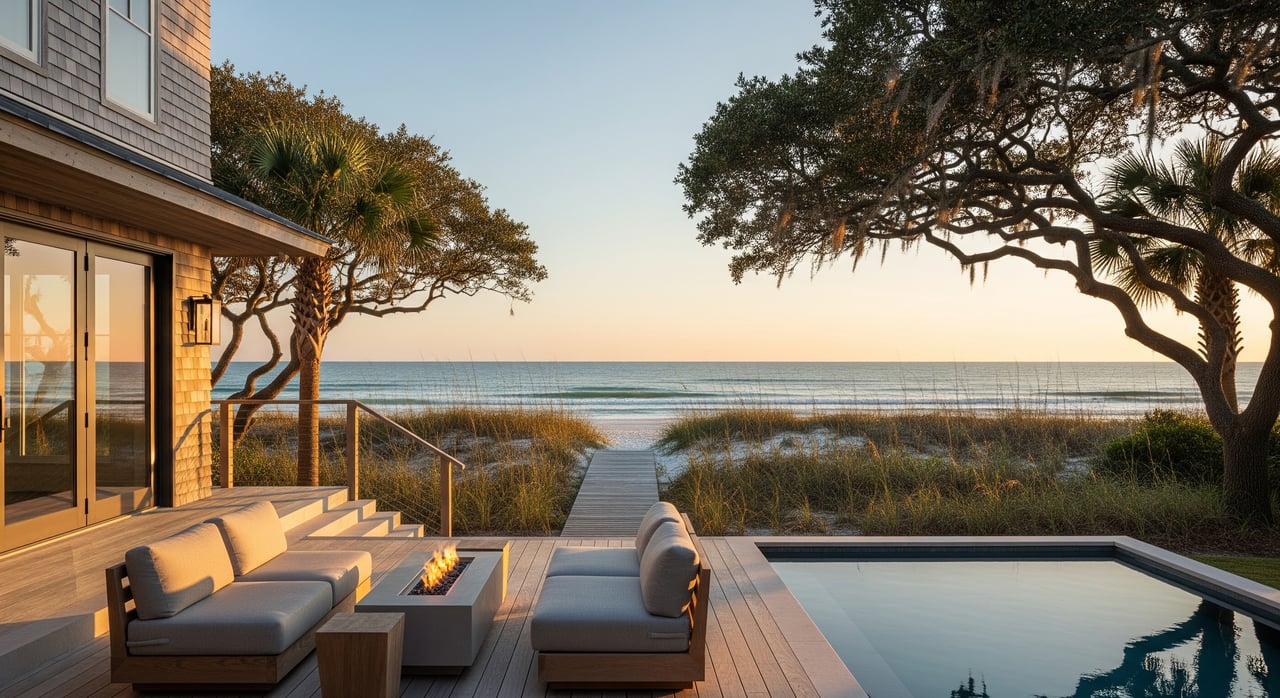
Imagine starting your morning with a quiet beach walk, the sound of the Gulf in the background and the 30A bike path ready for an easy ride to coffee. If you picture a slower, low-rise beach town feel with sand in your yard and a bike in your garage, the western stretch of 30A in 32459 might be your pace. You want the lifestyle and a clear sense of the practical details before you buy. Here’s a grounded look at what everyday life feels like along 30A West, plus the key logistics to check before you make a move. Let’s dive in.
The feel of 30A West
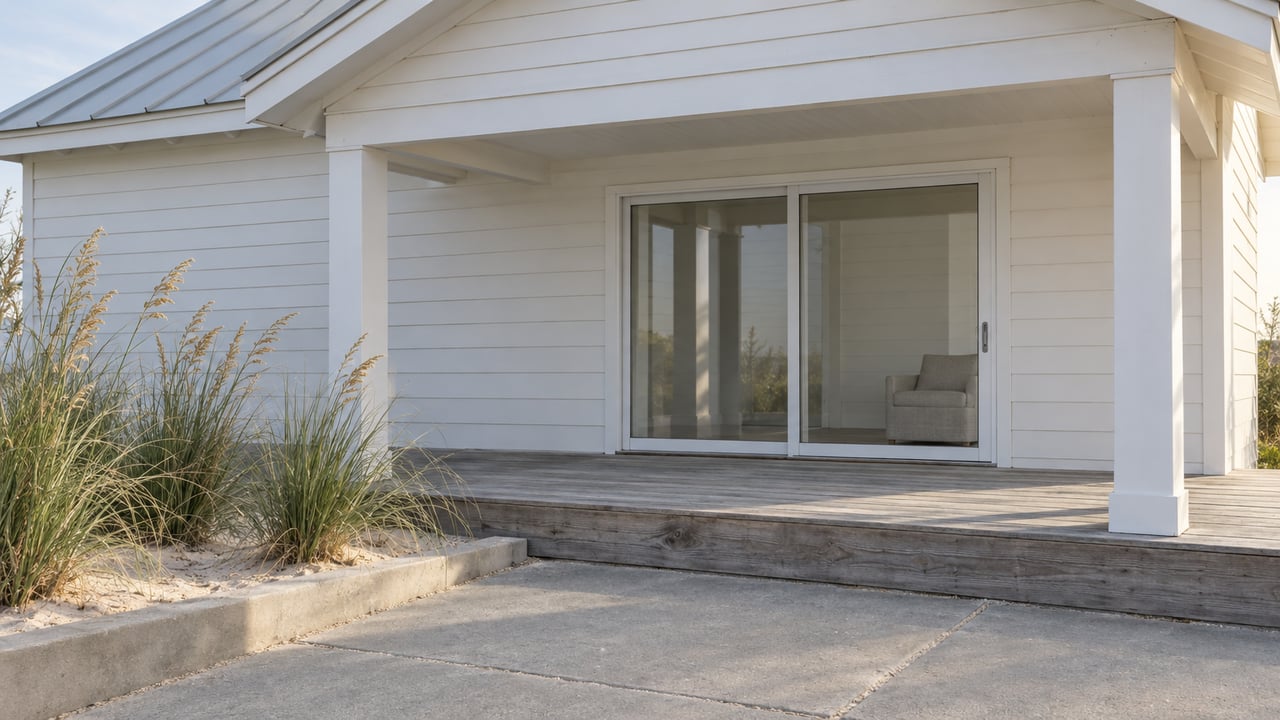
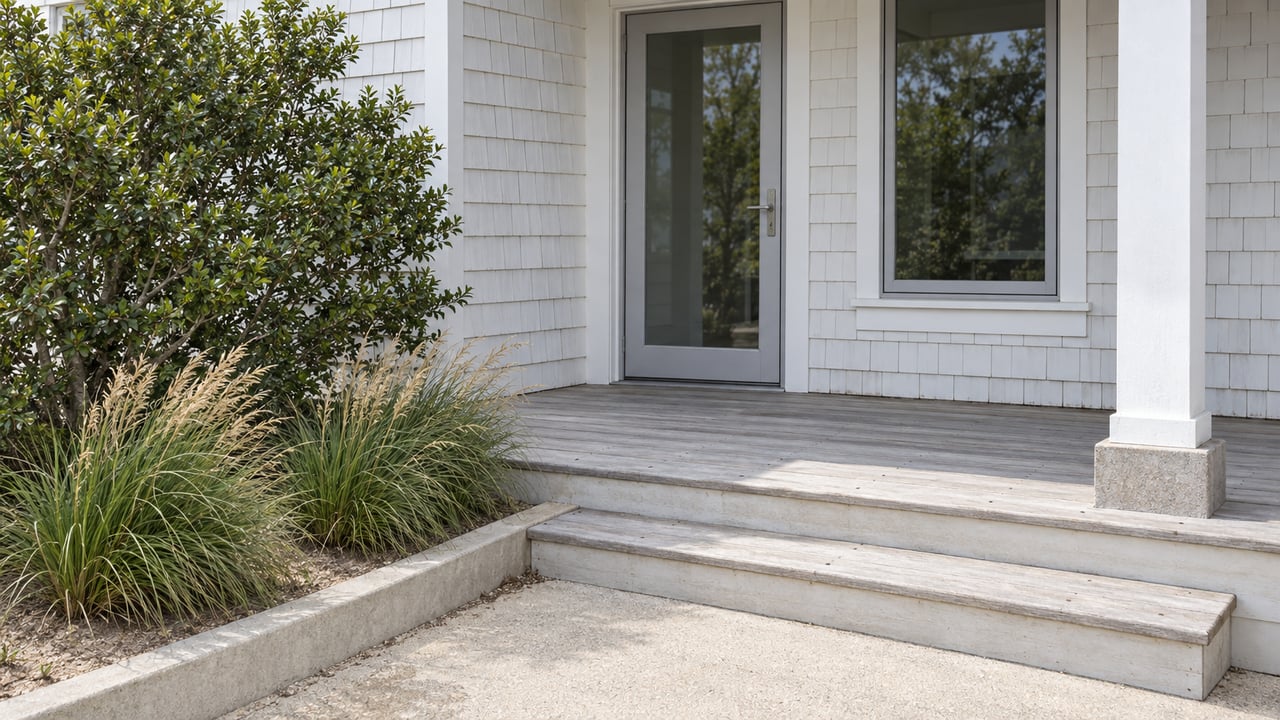
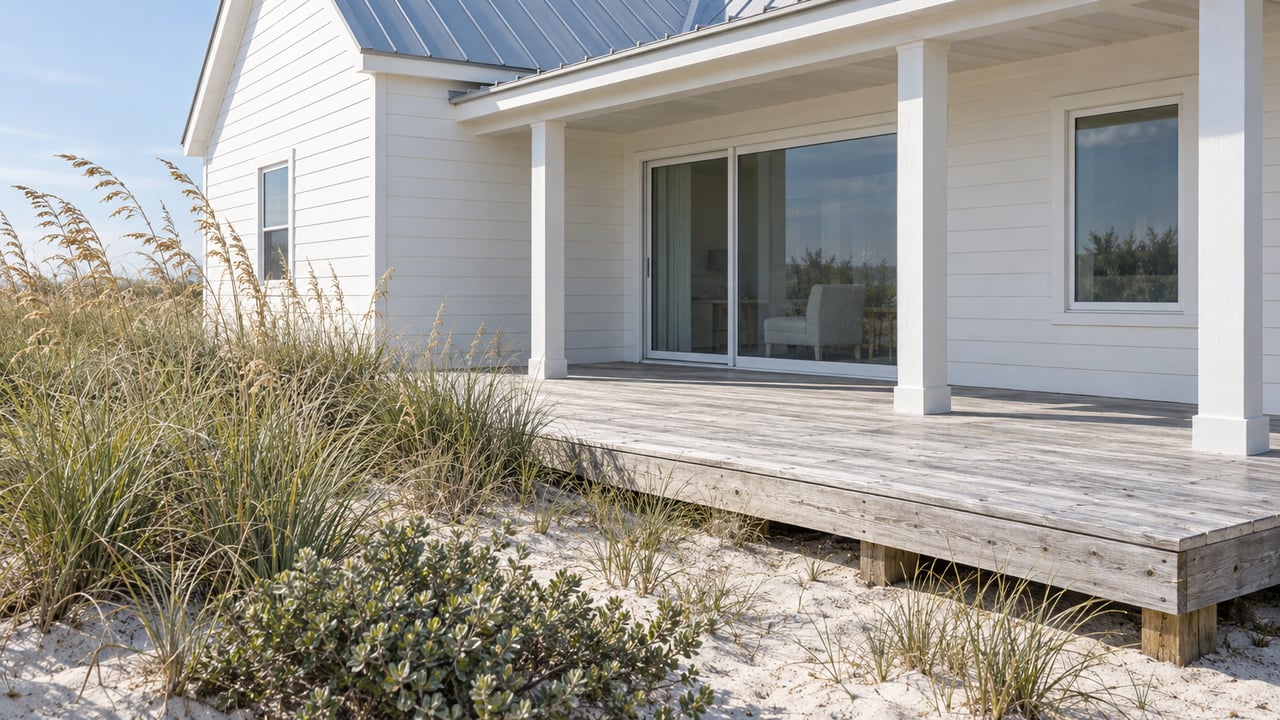
30A West is defined by low-rise neighborhoods, small commercial nodes, and a close connection to the beach. You see cottage-style homes beside newer coastal builds, with dune grasses and native plants instead of manicured lawns. Quiet streets peel off the highway, and many homes sit a short walk or bike ride from a public beach access.
You’ll notice a residential rhythm. Seasonal visitors shape the summers, but many neighbors are second-home owners, retirees, and full-time residents who cherish the slower pace. The result is a friendly, daily-life environment where you often know your barista, your favorite lunch spot, and the bike tech who keeps your cruiser rolling.
A typical day on 30A West
You might start with a sunrise walk on the sand, then hop on the 30A multi-use path for a short ride to a café. Late morning can be errands, a school run, or a paddle on a calm waterway when the Gulf is breezy. Evenings often mean a simple bike to dinner, a beach sunset, or local live music.
Weekdays skew quieter, especially outside of summer. On weekends, you’ll see more beach wagons and family bike trains moving along the path. Many residents build routines around outdoor time, whether that’s gardening with salt-tolerant plants, beach clean-ups, or catching a local farmers market.
Seasonality and pace
Seasonality sets the rhythm. Late spring and summer bring visitors and short-term renters, which adds energy to restaurants, paths, and beach accesses. Fall and winter shift calmer and more residential, with open tables and more elbow room on the sand.
Where you live matters. Being one block off 30A often feels quieter than being directly on the corridor, especially in peak season. If you plan to be here year-round, it helps to try a few weeks across seasons to understand traffic, noise, and access patterns for your specific block.
Getting around and access
- Beach access: Small public access points line the corridor. Many homes are within a stroll or bike ride of the sand.
- Bike and foot travel: The 30A bike path runs parallel to the highway and connects neighborhoods. Many residents use it for daily exercise and short errands.
- Driving: You’ll still drive for full grocery runs, big-box errands, and some dining. Peak season increases drive times, so plan accordingly.
If you value a car-light routine, focus your home search around nodes with cafés, markets, and services within an easy bike ride.
Where you shop, dine, and get services
Expect small clusters of restaurants, coffee shops, and coastal boutiques along 30A West. For larger grocery stores, medical offices, and specialty shopping, you’ll make short drives beyond the immediate corridor. Daily staples are close, but your full household list may take a bit more planning.
Healthcare includes local urgent care and primary care options, while hospitals and specialty providers are located in larger nearby cities. If you need frequent appointments, map providers and travel times before committing. Families can choose local public schools within the Walton County School District or private and early-learning options in the area. School assignments follow county zoning, so confirm the details for any specific property.
Outdoor life beyond the beach
The Gulf’s white-sand beaches are the main draw, but 30A West also features rare coastal dune lakes and estuarine habitats. These waters are great for paddling and quieter fishing days compared to open surf. Birding is popular, and seasonal migrations keep the binoculars busy.
Local conservation rules help protect dunes and wildlife. Turtle nesting season brings lighting and beach-use guidelines that residents follow to help keep the coastline healthy. Parks and protected areas nearby offer trails for hiking, picnicking, and off-beach afternoons.
Working from 30A West
Remote work can be a great fit here, but internet speeds vary block-by-block. Many homes offer fixed broadband suitable for video calls, yet it’s smart to confirm upload and download speeds at the address level before relying on a property as your primary office. Some residents split time between a home office and laptop-friendly cafés to stay productive and connected.
Home styles and property types
You’ll find a mix of older beach cottages and newer custom builds designed for easy indoor-outdoor living. Screened porches, roof decks, and outdoor showers are common. Homes often orient to capture Gulf breezes, beach access, or water views where available. Lot sizes vary, and coastal building codes and setbacks shape what and how you can build.
If you care about rental potential or long-term family use, prioritize layouts that support multiple sleeping areas, practical storage, and durable finishes friendly to sand and salt. Many buyers weigh lifestyle enjoyment alongside the possibility of seasonal rental income.
Ownership realities to plan for
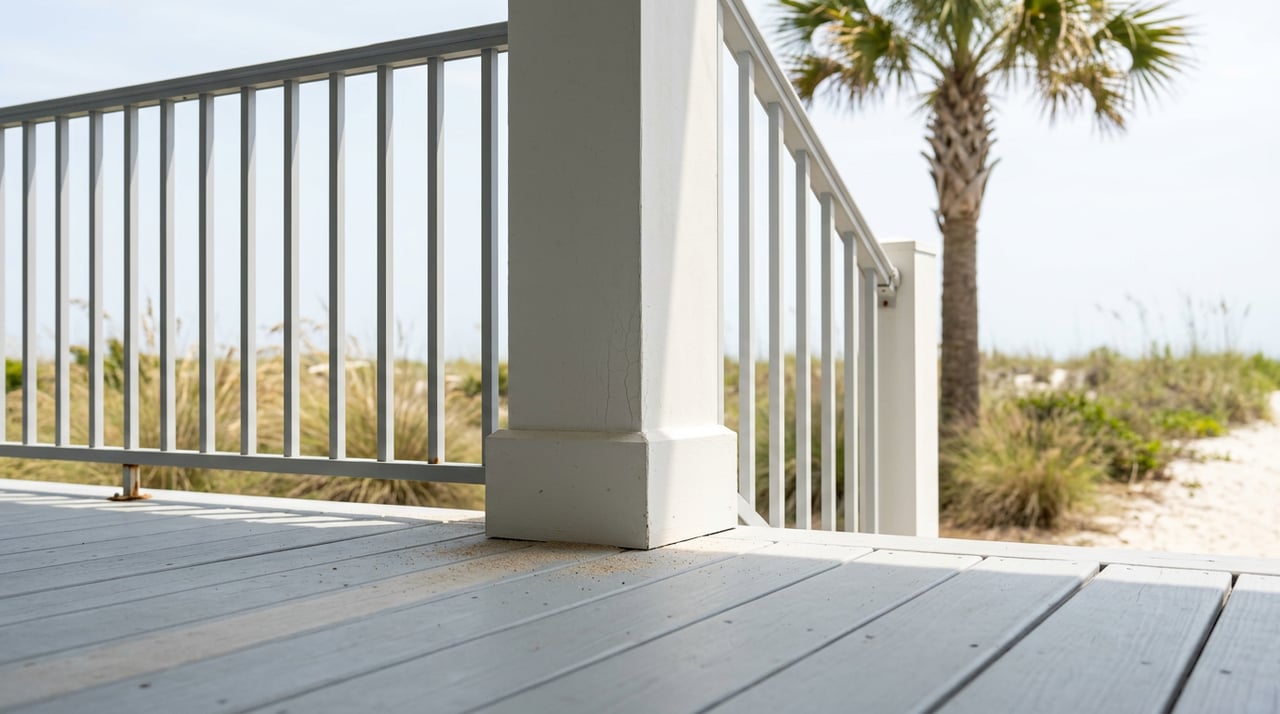
- Maintenance: Salt, wind, and humidity mean more frequent paint, metal, decking, and roof care. Landscaping typically features native, salt-tolerant plants that handle coastal conditions.
- Utilities: Some areas tie to municipal or regional water/sewer, while others rely on septic systems. Confirm utility type and age for any property you consider.
- Insurance: Many coastal properties sit in flood zones and require flood insurance. Wind mitigation features and elevated foundations can affect premiums. Obtain property-specific quotes early.
- Short-term rentals: Walton County requires registration and collects related taxes for short-term rentals. Local ordinances and HOA rules can impact your plan, so verify both before projecting income.
- HOAs and restrictions: Some neighborhoods have architectural guidelines, rental policies, and dues. Others are less restricted. Review documents to understand costs and allowable uses.
What to check before you buy
Use this simple checklist to save time and surprises:
- Flood zone designation for the specific property and any lender requirements.
- Wind mitigation features and past insurance claim history, if available.
- HOA rules, architectural guidelines, dues, and any rental restrictions.
- Local short-term rental registration requirements and taxes in Walton County.
- Utility setup: municipal water/sewer vs. septic, plus age and service records.
- Internet options and verified speeds at the address level for remote work.
- Property tax history via the county appraiser’s records.
- Maintenance plan and budget for coastal wear, including exterior finishes.
- Parking and access considerations for peak-season weeks.
Seasoned buyer tips
- Visit in different seasons to understand traffic, sound, and lighting at your exact location.
- Walk or bike from the property to the nearest beach access and dining options to test daily convenience.
- If rentals matter, talk with a local property manager about shoulder-season occupancy patterns and guest expectations.
- Budget with a cushion for insurance and long-term maintenance. Coastal ownership rewards preparation.
Is 30A West a fit for you?
If you want a quieter, low-rise beach lifestyle with daily access to sand, bikes, and small neighborhood spots, 30A West in 32459 delivers. You trade a bit of convenience for charm, and you plan ahead for seasonality, insurance, and coastal maintenance. In return, you get a relaxed rhythm, open-air living, and a community that still feels like a collection of beach neighborhoods rather than a row of high-rises.
When you’re ready to refine neighborhoods, compare properties, or model rental scenarios, connect with a local team that blends lifestyle insight with data. Katie Atwater and Mike Henderson offer boutique, hands-on guidance, staging and design strategy, and rental projection analysis to help you buy with clarity and confidence.
FAQs
How walkable is 30A West for daily needs in 32459?
- Walkability varies by block; many homes are near beach accesses and small café clusters, but you’ll likely drive for full groceries, medical services, and larger errands.
What is the internet like for remote work on 30A West?
- Fixed broadband options exist in many areas, yet speeds can vary address-to-address; confirm upload and download speeds at the specific property before relying on it for work.
What should second-home buyers know about short-term rentals in Walton County?
- Walton County requires short-term rental registration and collects related taxes, and HOA rules may add limits; verify county ordinances and community guidelines before projecting income.
How does insurance work for coastal homes near 30A West?
- Many properties are in flood zones and need flood insurance, and wind coverage is a key cost; request property-specific quotes and review any wind mitigation features early.
What maintenance issues are common for 30A West homes?
- Expect more frequent exterior upkeep due to salt, wind, and humidity; plan for paint cycles, metal corrosion prevention, deck care, and roof inspections.
Are there parks and trails near 30A West besides the beach?
- Yes, the 30A multi-use path supports year-round biking and walking, and nearby parks and preserves offer hiking, paddling, birding, and quiet off-beach recreation.