Wondering which 30A town makes the most sense for your second home? It is a smart question, because along this stretch of coast, the feel of daily life can change a lot from one community to the next. If you are comparing Rosemary Beach with Alys Beach, Seaside, or Watersound, this guide will help you sort through walkability, beach access, amenities, and ownership considerations so you can focus on the fit that works best for you. Let’s dive in.
Why Rosemary Beach stands out
Rosemary Beach offers one of the strongest blends of walkability, structure, and lifestyle on 30A. The community describes itself as a walking town where any point to any destination is about a five-minute walk, which gives it a true village feel. For many second-home buyers, that ease of movement matters just as much as being close to the Gulf.
It also feels managed without feeling overly closed off. The Property Owners Association governs development, maintenance, and design review, which helps preserve the town’s cohesive look and high standard of upkeep. If you want a second home in a community that feels polished and established, Rosemary Beach often lands in a sweet spot.
Comparing Rosemary Beach to nearby 30A towns
Rosemary Beach vs Alys Beach
If you are choosing between Rosemary Beach and Alys Beach, the biggest difference is control and privacy. Alys Beach is more private-feeling and highly curated, with private beach accesses for homeowners and vacation-rental guests, plus owner-exclusive access from the Beach Club. Its entire 158-acre town is privately owned, which reinforces that controlled environment.
Rosemary Beach is still amenity-rich and carefully managed, but it feels more like a functioning coastal town than a secluded resort enclave. Its beach service is centered on homeowners and guests, and the community includes pools, a fitness center, racquet facilities, an owners’ club, shops, dining, parks, and seasonal events. If you want luxury with a stronger town-center feel, Rosemary may be the more balanced choice.
Rosemary Beach vs Seaside
Rosemary Beach and Seaside are the two most compact, walk-everywhere options in this comparison. Seaside may have the strongest walkability story overall, with the town describing itself as a 10-minute walk end to end and within a five-minute walk of Central Square from all residences. That creates an easy, iconic small-town beach experience.
The difference is in how each community lives day to day. Seaside feels more public-facing and centered around Central Square, shopping, dining, and its signature beach pavilions. Rosemary Beach feels slightly more controlled and amenity-layered, while still keeping that highly walkable village character.
Rosemary Beach vs Watersound
Watersound is the broadest lifestyle play of the group. Rather than one compact town core, it is presented as a network of neighborhoods, town centers, parks, marinas, clubs, and trails. If you want golf, a wider resort ecosystem, and a more expansive amenity network, Watersound offers a very different second-home experience.
Rosemary Beach is more compact and more immediately town-like. You can move through it on foot with ease, and the sense of place is more unified. If your priority is a walkable, architecturally cohesive setting where your daily routine stays simple, Rosemary usually feels more intuitive than Watersound.
Walkability and daily life
Rosemary Beach daily flow
Rosemary Beach is built around pedestrian circulation, and that shows up in everyday living. The community highlights footpaths, boardwalks, green spaces, a 2.3-mile fitness trail, and a town center designed to support movement on foot. For a second-home owner, that means less time coordinating parking and more time enjoying the area.
That walkable setup can be especially useful if your home is meant for both personal use and occasional guests. A place that is easy to navigate often feels more relaxing from the moment you arrive. It also tends to make short stays feel fuller, since you can do more without getting in the car.
How nearby towns compare
Alys Beach also emphasizes pedestrian paths, but the experience is more curated and controlled. Reserved parking courts for owners and vacation-rental guests add to the more private, resort-like atmosphere. You may love that if privacy ranks above spontaneity.
Seaside is very easy to navigate and was designed to encourage walking and biking. Watersound, by contrast, offers more than 70 miles of trails and a connected district feel, but it is not centered on one singular village core. That makes it more expansive in experience and less compact in day-to-day circulation.
Beach access matters more than you think
For second-home buyers, beach access is not just about distance to the sand. It is about how access works, who can use it, and whether the experience feels owner-focused, guest-focused, public, or club-based. Along 30A, those differences can shape your ownership experience in a big way.
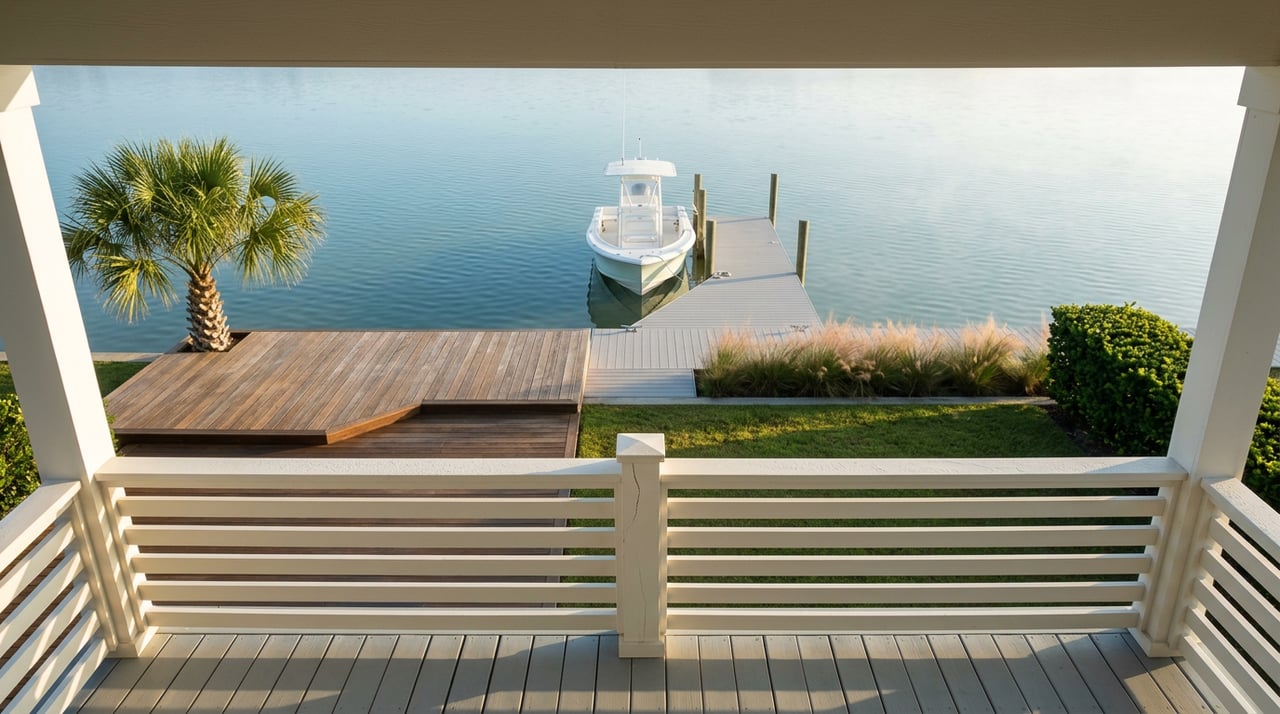
Rosemary Beach offers a quarter-mile slice of shoreline with staffed beach service for homeowners and guests. That service includes chairs, umbrellas, tables, watercraft rentals, sunset setups, bonfires, and coolers. If you want a beach experience that feels organized and convenient, Rosemary delivers a strong case.
Alys Beach has more tightly controlled beach access. Homeowners and vacation-rental guests can access the beach at designated points, while homeowners also have exclusive access from the Beach Club. Seaside uses a pavilion-based system tied in part to street HOA access, while Watersound Club centers beach access around private member boardwalk entry and club amenities.
Architecture and sense of place
Rosemary Beach style
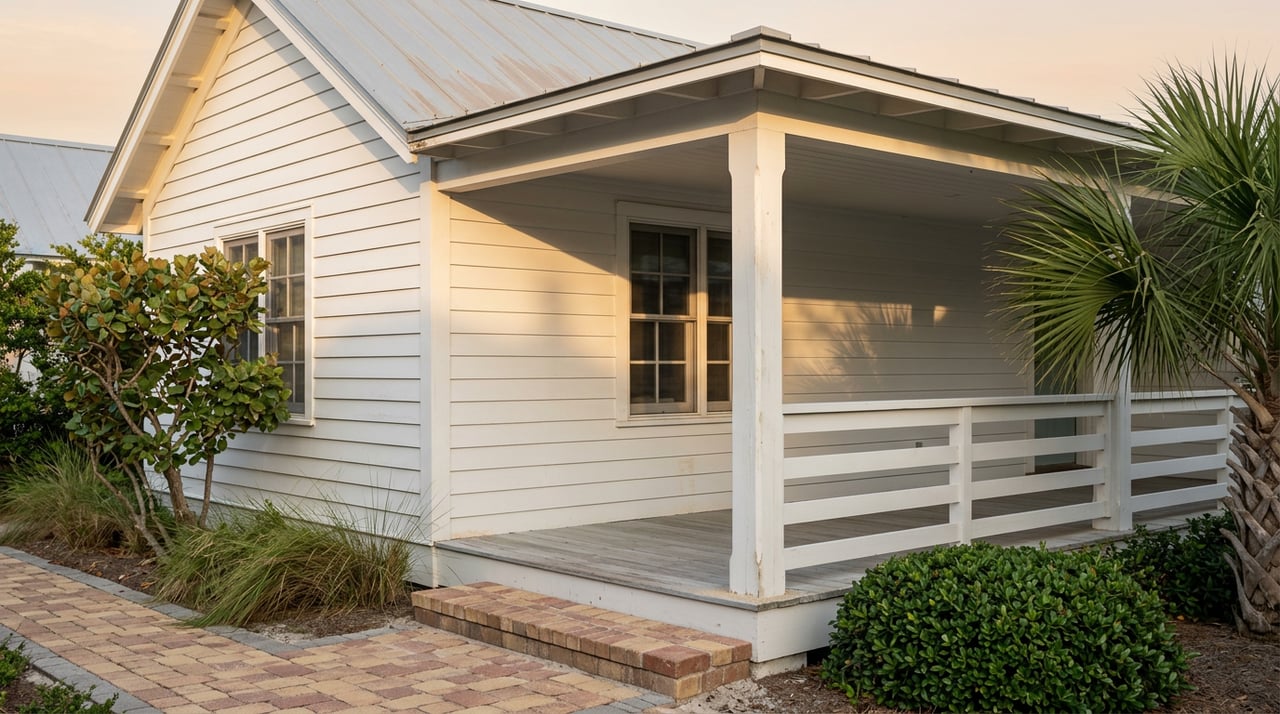
Rosemary Beach has a distinct architectural identity rooted in New Urbanism, with influences from Dutch West Indies, New Orleans, and St. Augustine. The town’s design includes elevated masonry bases, deep eaves, high ceilings, large porches, hidden parking, and an alley system. That gives the community a refined look that still feels warm and livable.
For many buyers, this consistency is a real advantage. It creates a strong visual identity and helps the town feel cohesive over time. If architecture is part of what draws you to 30A, Rosemary offers a recognizable and well-protected aesthetic.
How the others feel
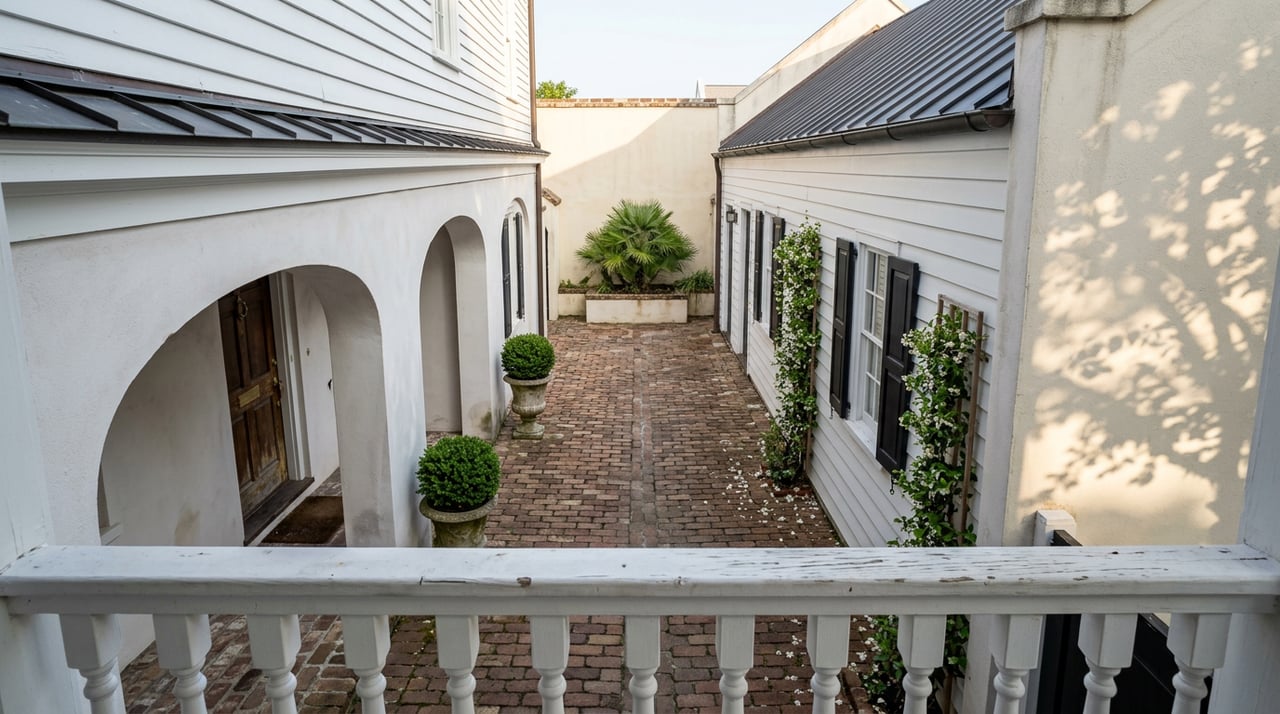
Alys Beach is the most visually distinctive of the group, with its mostly white palette, courtyard living, and influences from Bermudian, Moorish, and Guatemalan design. It also places a strong emphasis on art, sculpture, and landscape in the public realm. The result is highly memorable and intentionally polished.
Seaside has a softer cottage-town identity shaped by coastal traditions and regionally rooted materials. Watersound offers more variety, with multiple residential community types rather than one strict town-wide design language. If you prefer consistency, Rosemary and Alys may stand out more than Watersound.
Amenities and ownership experience
Amenities can shape how often you use your second home and how easy it is to enjoy on short visits. Rosemary Beach includes a town center, several pools, a fitness center, an owners’ club, tennis and racquet facilities, staffed beach service, plus shops, dining, parks, and seasonal events. That mix supports both relaxed family time and easy lock-and-leave ownership.
Alys Beach leans more curated and luxury-oriented, with Caliza, ZUMA, The Beach Club, The Silva, Camp Jane, and a strong parks and arts program. Seaside is more town-center based, with Central Square and beach pavilions driving much of the experience. Watersound has the broadest amenity stack, including golf, beach club access, marinas, trails, club venues, and multiple dining and wellness options.
Second-home costs to plan for
One of the most important planning points for a Florida second home is property taxes. The Florida Department of Revenue and the Walton County Property Appraiser state that homestead exemption is tied to your primary residence, not a second home. In simple terms, if the property is not your permanent residence as of January 1, you generally should not expect homestead-related tax benefits.
Beyond taxes, each town has its own ownership structure that can affect your recurring costs and the way amenities are accessed. Rosemary Beach operates through a Property Owners Association with design and maintenance standards. Alys Beach’s private ownership structure and owner-focused amenities suggest a more layered access and maintenance model.
Seaside can be more parcel-specific because each street is managed by its own HOA, and beach access depends in part on street HOA and pavilion assignment. Watersound may add another layer if you want club access tied to golf, beach, and lifestyle amenities. For second-home buyers, it is wise to compare not only purchase price, but also the full cost stack tied to governance, access, and upkeep.
Which 30A town fits your goals?
If you want the most balanced village experience, Rosemary Beach is often the strongest fit. It combines high walkability, a clear architectural identity, owner-and-guest-focused beach service, and a wide amenity mix without leaning as heavily into privacy or club structure as Alys Beach or Watersound. For many buyers, that balance is exactly the point.
If privacy and a carefully controlled luxury environment matter most, Alys Beach may be more your style. If you want a classic, iconic beach-town setting with a strong public-facing square, Seaside deserves a close look. If you want a broader lifestyle network with golf, trails, marinas, and club-driven amenities, Watersound may line up better with the way you plan to use your second home.
The right choice comes down to how you want your time here to feel. Some buyers want everything within a short walk. Others want private beach access, club amenities, or a wider resort ecosystem. When you match the town’s structure to your real day-to-day priorities, the best fit usually becomes much clearer.
If you are weighing Rosemary Beach against nearby 30A towns and want a clear, data-informed perspective on lifestyle fit, ownership structure, and second-home potential, Katie Atwater and Mike Henderson can help you narrow the options with the kind of boutique guidance this market deserves.
FAQs
How does Rosemary Beach compare to Alys Beach for a second home?
- Rosemary Beach generally offers a more town-like and balanced experience, while Alys Beach feels more private, more curated, and more tightly controlled around access and amenities.
How walkable is Rosemary Beach compared with Seaside?
- Rosemary Beach is highly walkable and designed as a pedestrian-focused town, while Seaside is also exceptionally walkable and describes itself as about a 10-minute walk end to end.
How does beach access work in Rosemary Beach for second-home owners?
- Rosemary Beach provides homeowners and guests with access to its shoreline and staffed beach service, which includes chairs, umbrellas, tables, watercraft rentals, bonfires, and other beach conveniences.
What ownership costs should second-home buyers expect in Walton County, Florida?
- Second-home buyers should plan for property taxes without homestead exemption unless the property becomes their primary residence, plus community-specific costs tied to POAs, HOAs, club access, and amenity upkeep.
Is Watersound or Rosemary Beach better for lifestyle amenities?
- Watersound offers the broadest amenity network with golf, marinas, trails, and club venues, while Rosemary Beach offers a more compact, town-centered amenity mix that is easier to enjoy on foot.
What makes Seaside different from Rosemary Beach for second-home buyers?
- Seaside is more public-facing and centered around Central Square and pavilion beach access, while Rosemary Beach feels more managed and amenity-rich with a stronger owner-and-guest-focused beach setup.